Sunday, March 31, 2024

13 Amazing Charcuterie Board Ideas

charcuterie board design

In many cases, as long as you have a decent population near you, you can expect there will be a healthy number searching for it. As you can see from the trends stats below, charcuterie is not only in demand now, it has been increasing every year with amazing sales peaks during the holiday season. The key to a killer brunch board is making minis of the mains, like silver dollar pancakes, French toast sticks and bite-sized quiches.

'WE LOVED OUR GRAZING BOARD FOR OUR CHRISTMAS EVE PARTY!

That size is great for large parties, but not so great if you just need a small board for one, or a small snack for date night. A fun addition to this themed board would be a specialty cocktail. Select a flavor that complements the elements on the charcuterie board, and make (or buy) a cocktail with those flavors. Charcuterie is the art of preparing and assembling cured meats and other meat products. But, many people use the term charcuterie to refer to an assortment of meats that are paired with different accompaniments, such as toast, fruit, cheese, and sauces.

Blueberry Acai Smoothie Recipe

The bowls will keep the food in place and they are great to stack and pile other elements onto them. Contrasting shapes look amazing when close to each other. If you're placing something that guests can slice themselves (such as sausage), make a few slices to get it started. Vanessa Greaves is a Senior Editor at Allrecipes with nearly two decades of experience helping home cooks gain confidence in the kitchen. A self-taught cook who grew up reading cookbooks for fun, Vanessa lives and breathes the challenges faced by busy everyday cooks to get dinner on the table. You can include some personal touches with different types of crackers for something more filling.

The Cheeses

Fruits and veggies add color and freshness to a charcuterie or meat and cheese board. They're also a tasty contrast to rich, salty meats and cheeses. When planning which items to include, consider foods that can be eaten whole or cut into slices.

Gorgeous Spring Snacking Board Ideas From Cheese Plate Pro Marissa Mullen - Rachael Ray Show

Gorgeous Spring Snacking Board Ideas From Cheese Plate Pro Marissa Mullen.

Posted: Fri, 12 May 2023 07:00:00 GMT [source]

Another easy and completely gorgeous charcuterie flower arrangement. How cute is this bread bowl bunny filled with dip? Kids and adults alike love the easter spirit this cutie brings out. Check out our FAVORITE spinach artichoke dip recipe for an idea of what to fill your bread bowl with. It’s best to know your audience for this type of board.

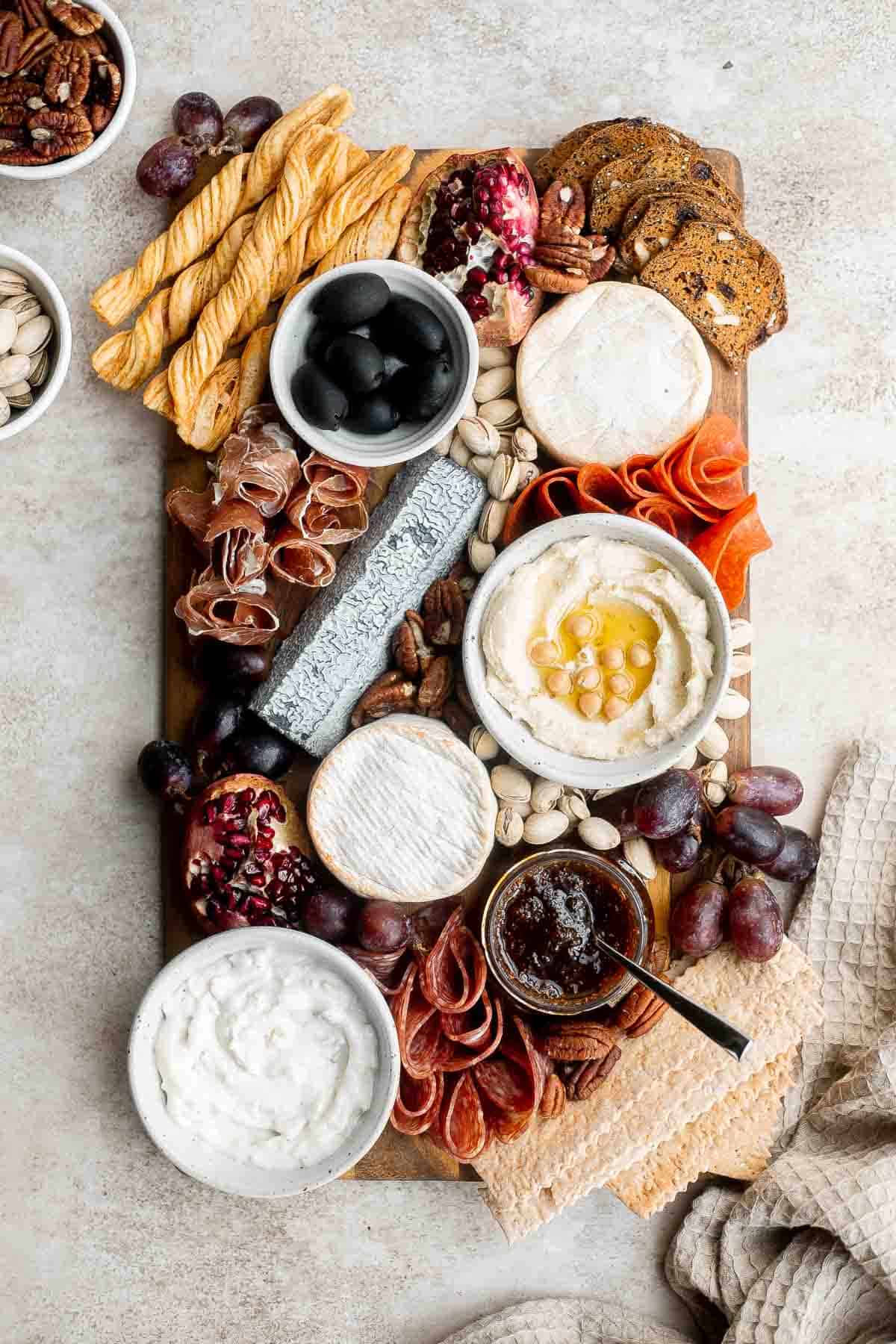
Charcuterie boards are typically made of a selection of meats and accompaniments, such as cornichons, grainy mustard, or fig jam. By now, you’ve seen charcuterie boards all over Instagram, they’re AMAZING, but can also be a little daunting. I want to break down exactly what you’ll need to be on your way to create your own impressive cheese board! Be sure to follow Picky Palate on Instagram for daily recipe inspiration. You’ll find different charcuterie board themes throughout this post, along with beautiful examples from around the internet to help inspire you.

You'll want to include a few starchy sidekicks, especially if your board includes soft, spreadable cheeses and jams. There's no hard-and-fast rule here, though we recommend offering two types of crackers or breads with different flavor profiles. If someone on your guest list has gluten sensitivity, consider subbing in a nut-based cracker option. We love a themed charcuterie board, and there’s nothing more festive on February 14 than heart-shaped foods. Our Valentine’s Day charcuterie board includes marbled meringue hearts, conversation hearts, Palmiers and halved strawberries.

However, the focus here isn't on the cheese so feel free to throw those rules directly in the trash bin. Before you go to the store to purchase your board items, do the math! If this Simple Charcuterie Board is the star of your show, go with 3 ounces of meat per person. If the board is an addition to a buffet of other food items, go with 2 ounces of meat per person. This french fry charcuterie board is just plain fun.

Snack Board
charcuterie board design

You can always add other delicious, creamy spreads, such as hummus, tzatziki, eggplant paste, baba ganoush, yogurt, chicken liver pâté, or hot dips. Place the slices of bread close to the spreadable foods. So while others are snacking on the traditional charcuterie boards you will have extras for friends with dietary restrictions or who just want vegan options. Recently, the term has come to refer to a variety of meats served with a range of sides, including fruit, cheese, crackers, bread, sauces, nuts, and so forth. Make planning & shopping easier with this free charcuterie board shopping list PDF!

Think venison sausage, mini cheeseballs, Ritz crackers and red pepper jelly over cream cheese for dipping. Here, an easy honey drizzle (plus plenty of seasonal garnishes) will impress without much effort on your part. It incorporates all your favorites while keeping to the charcuterie theme.

10 Best Cutting Boards of 2024 - Reviewed - Reviewed

10 Best Cutting Boards of 2024 - Reviewed.

Posted: Mon, 06 Nov 2023 08:00:00 GMT [source]

So too the pastes, jams, dips, mustard, fruit, veggies – covered bowls in the fridge. Make sure to assemble it all before you cut the bread or bagels. And not too late because many ingredients will dry out or get soggy.

For mine today, I used a massive piece of square board I had in the garage, 24×24-inches. Copyright © International Charcuterie Association. Then, when you've decided you like building grazing experiences, make it official! The legal specifics will vary from state to state, country to country and even town to town, but tend not to be difficult, time consuming or costly. The Grazing Kitchen specializes in one of a kind, modern  Charcuterie Grazing Boards and Boxes that are made to order and handcrafted with love locally in San Clemente. In private events, everyone builds their own individual board, unless pairs is specifically requested.

In fact, dessert charcuterie is (almost) our favorite kind, especially when it includes popcorn and nougat. Between the baby carrots, watermelon radishes, assorted berries and fresh mint, this cheese board couldn't get more spring-inspired if it tried. A varied quartet of cheeses—Brie, gorgonzola, Colby Jack and aged gouda—ensures that there's something for everyone on the platter.

Candy is the key to a slumber party charcuterie board—even if it keeps the kids up a little bit later. We went with pink, blue and purple sweets, including rock candy, gummy sharks, yogurt-covered pretzels and bubble gumballs. Our Sleeping Bag Blondies tie everything together, with pink, blue and purple “comforters” frosted on top. Pick your favorite Hanukkah desserts to add to this holiday “charcuterie” board. If you truly want to master the art of making a charcuterie board, read up on the best cheese board pairings, along with the best wine and cheese pairings. But it doesn't have to take a lot of effort; often just a few small touches make all the difference.

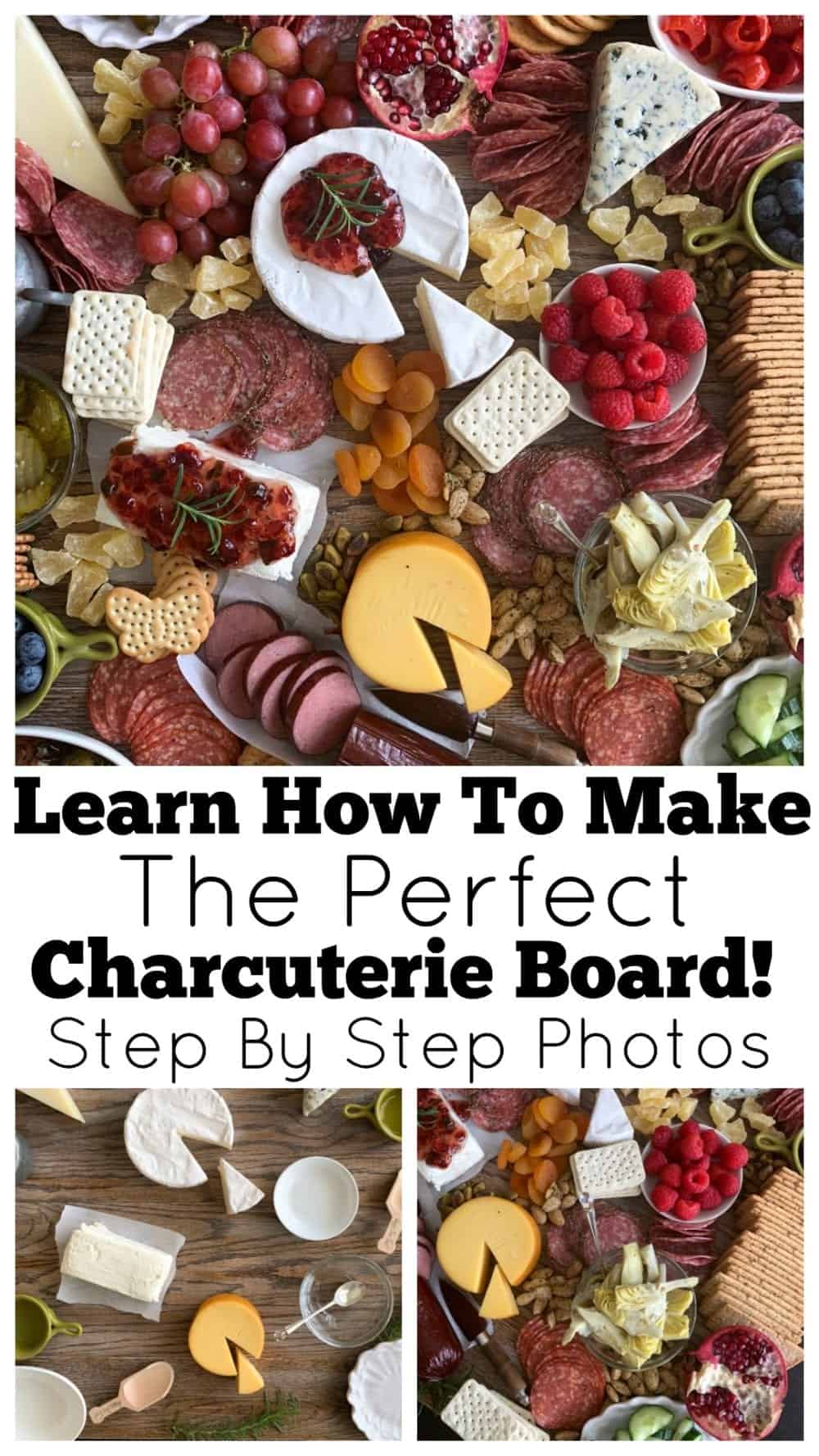
How To Make a Perfect Charcuterie Board Step-by-Step Photos

charcuterie board design

Bordering on a veggie tray, this festive platter also contains the delicious sweets we all like to snack on around the holidays. Have the best of both worlds plus so cute festive characters with this charcuterie board. We have so many charcuterie board ideas, you’ll see there’s no end to the imagination and creativity. I love creating beautiful charcuterie boards for the season. You will find charcuterie boards perfect for holidays such as Thanksgiving, Christmas, or Easter. You will also find dessert chocolate charcuterie board and an Italian charcuterie board perfect for an Italian dinner.

Food Editor

charcuterie board design

New Year's Eve calls for a perfectly thematic charcuterie board idea. We love the use of star-shaped dishes, and the clock made out of cheese! Don't be afraid to get creative when creating your NYE board. This wreath charcuterie board gets creative with fresh rosemary to add to the look.

Letter Shaped Charcuterie Boards

charcuterie board design

Try making a sweet food board or a savory platter. Make sure to have a large pitcher of whatever the drink of the night is. This will allow your guests easy access to serve themselves and get refills when necessary. Think of this board as all of the fun toppings to go along with your drink. There are still many cute ways to display a small charcuterie board. You can also opt to display these on a small, decorative plate or in a jar.

Sweet Charcuterie Board

Here's everything you need to put together a balanced charcuterie board that looks as good as it tastes. Using a cookie cutter to cut a star into the wax on a Babybel cheese was such a brilliant idea! The pop the red gives is perfect for your 4th of July BBQ or patriotic party. You can add any variations of breakfast food that you love including pancakes, waffles, crepes, and pastries.

Each of these themes plays a unique twist on the classic cheese and charcuterie boards we all love. These boards would be a great addition to any party, happy hour menu, or holiday appetizer. Use this as inspiration to help create your own works of art. Though there are many easy charcuterie board ideas out there, the process is somewhat formulaic.

The Best Types of Bread and Crackers to Use for a Charcuterie Board

4 Easter Charcuterie Board Ideas to Elevate Your Holiday Spread - Better Homes & Gardens

4 Easter Charcuterie Board Ideas to Elevate Your Holiday Spread.

Posted: Thu, 21 Mar 2024 07:00:00 GMT [source]

Finish the platter with sprigs of fresh thyme and rosemary and your work is done. If there are vegetarians at the party, build an epic cheese board sans-meat. Here, five types of cheese meet an array of fresh fruits (kiwi! peaches! figs! berries!) that give the app a naturally stunning appearance. Also, crackers, bread, nuts, dips, and sauces are other salty touches your board needs. Plenty of crudité, types of guac, crackers, tortillas, breads, toasted, Italian cheeses, and meats, and all the dips and spreads you can imagine.

Add some vegetables, hummus, and some fruits to your plate to customize it as needed. Simple snacks go a long way, and it doesn’t matter as long as you’re surrounded with good company. Just because you’re working on a budget doesn’t mean you can’t make a full board to the table. This works well with a fun brunch with a friend or just at a cute little breakfast date.

Ready to Get Started? Read on for 34 Charcuterie Board Ideas We Love:

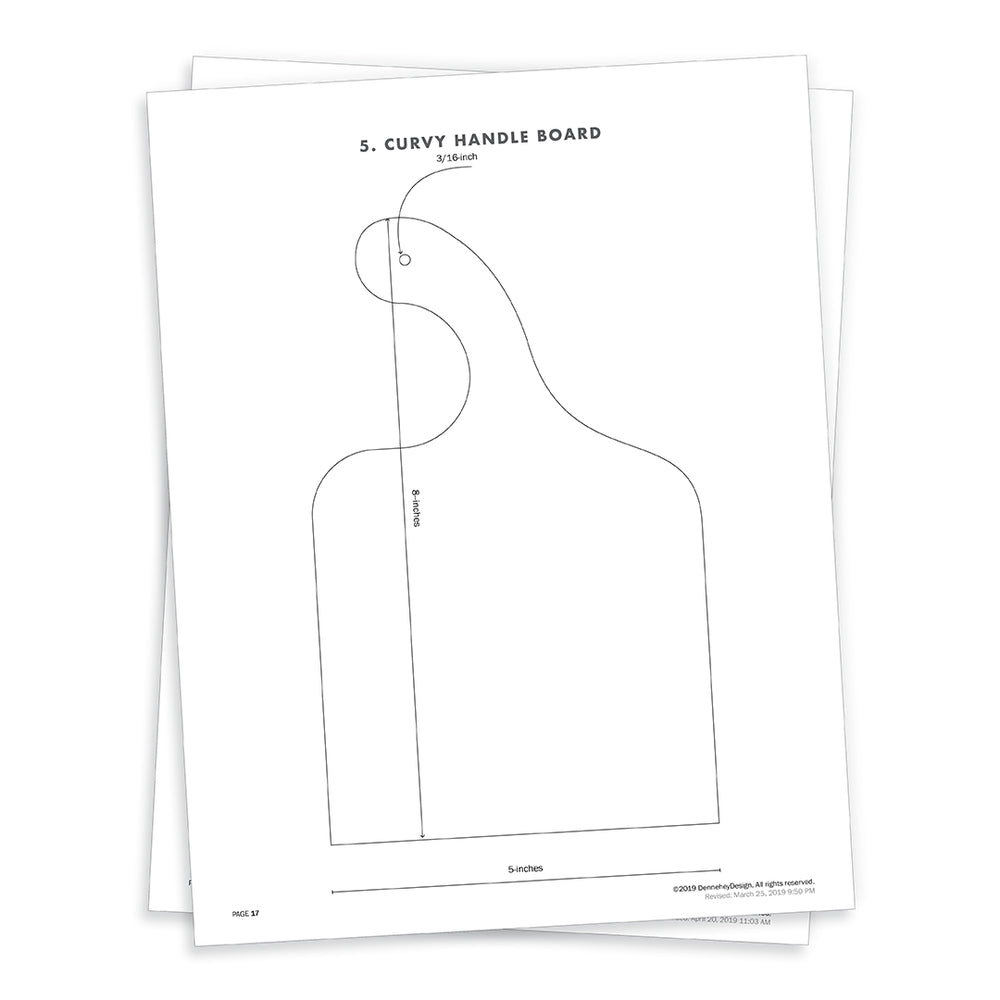
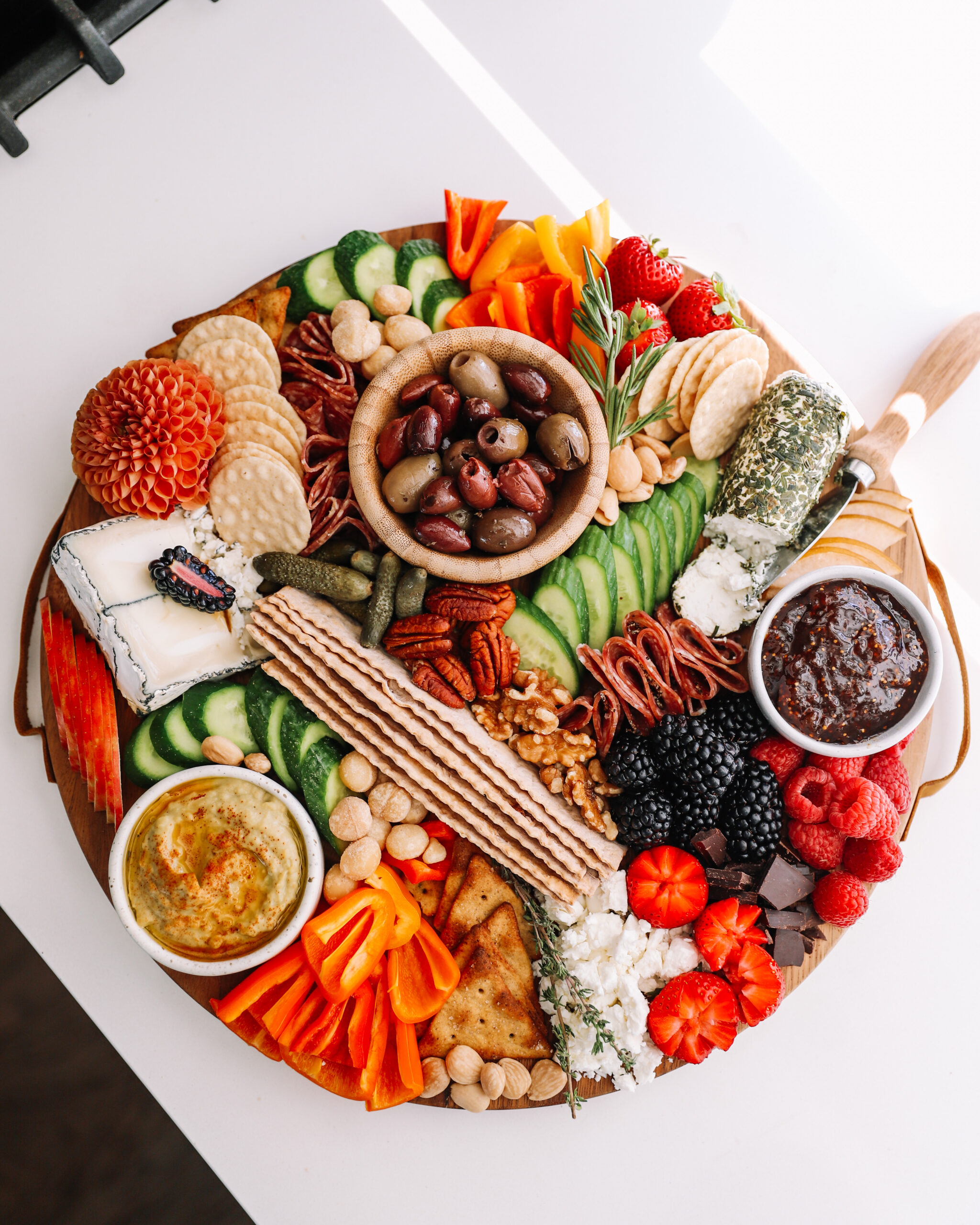
I’d suggest have at least 3 different cheeses in different shapes and sizes. Keep in mind my board was very large, but I chose 4 cheeses- brie, smoked gouda, blue cheese, Pecorino Romano and a bloc of cream cheese that I added spicy jelly on top. I’ve seen lovely charcuterie boards on round lazy suzan type boards, large rounds with handles. My favorite places to shop for boards are TJ Maxx Home Goods and antique/second hand shops. OR….Home depot will literally cut you a piece any size you’d like.

Look for rounds, rectangles, wheat, white….you get the picture. Some arranged on their side, some flat and fanned. Again, I save the crackers and nuts for the end to fill in spaces. Now that you know what components to include, the next question is how much do you buy? Nicole suggests two ounces of meat and one to two ounces of cheese per person if the charcuterie board is meant as an appetizer before a more substantial meal. If it's meant as the main meal itself, you can double the amount to four ounces of meat and about three ounces of cheese per person.

This charcuterie board gives the perfect balance for a fall-inspired plate and includes all your favorites. But these boards frequently include bread, fruits, nuts, condiments like honey or mustard, pickles, and olives at many restaurants or house parties. Whether you’re planning a casual gathering with friends, a romantic date night, or a holiday celebration, a well-put-together charcuterie board can elevate the experience. When assembling a cheese board, the rule of thumb is to serve one soft cheese, one hard cheese, and one semi-firm cheese.

Just like the cheeses, you can choose whatever meats you like! I went with some good quality pepperoni, varieties of salami, and sausage that I had partially sliced. Again, check out your deli section and find what will work best for your guests. For a detailed breakdown of exactly how to start and grow your own charcuterie board business successfully, click here to read more about our free training.

In most cases you will need to have a commercial location and adhere to local food handling laws and regulations. Give your loved ones something extra special to brighten their day! Whether its a birthday, anniversary, or just to say hello. We will happily include a note to your box for an extra special touch.

Try to repeat a flavor or two that guests will see during the main course. You can also pair complementary flavors that go along with the overall menu. As somebody who is obsessed with all things food, I love taking inspiration from different places and putting my own spin on an idea. That’s exactly what I hope you will do with this post. Alright, before we start, let’s talk about the actual board itself.

We love putting together a gorgeous charcuterie board for a party or holiday gathering. Charcuterie and cheese boards are one of the most versatile and delicious finger foods you can serve at any get-together. They can be large and elaborate or small and simple, and there’s virtually no occasion where they’re not a welcome addition to the table. If you've marveled over gorgeous charcuterie boards on Instagram, but aren't sure how to pull one together at home, our expert is here to help. Sarah Simms, co-founder of Lady & Larder, shares her favorite charcuterie board ideas and tips, including how to choose, prep, assemble, and store the components. With these charcuterie board ideas, you'll be well on your way to creating a platter that would make any food stylist swoon.

Saturday, March 30, 2024

The Venice Biennale and the Art of Turning Backward The New York Times

backwards design

This prevents your tests and assessments from feeling useless at best and contrary or irrelevant to your students at worst. Backward design provides a relevant context for students as they engage in learning activities. With this clear target in place, educators are better equipped to teach. By beginning with the end in mind, teachers are able to avoid the common problem of planning forward from unit to another, only to find that in the end some students are prepared for the final assessment and others are not. And there we have it—a comprehensive look at Backward Design, from its origins and methodology to its benefits, challenges, comparisons with other frameworks, and practical tips for implementation. We hope this guide serves as a valuable resource for educators and curriculum designers alike, offering insights and strategies to enhance teaching and learning for all.

ADDIE model of design

Strategic Plan 2023-28 Homepage - Strategic Plan 2023 - Richardson ISD

Strategic Plan 2023-28 Homepage - Strategic Plan 2023.

Posted: Wed, 07 Dec 2022 21:44:27 GMT [source]

This approach to curriculum and lesson planning prioritizes learning objectives, resulting in more effective and purposeful teaching and more student-centered and engaging learning experiences. Backward design, also called backward planning or backward mapping, is a process that educators use to design learning experiences and instructional techniques to achieve specific learning goals. Backward design begins with the objectives of a unit or course—what students are expected to learn and be able to do—and then proceeds “backward” to create lessons that achieve those desired goals. As a strategy for designing, planning, and sequencing curriculum and instruction, backward design is an attempt to ensure that students acquire the knowledge and skills they need to succeed in school, college, or the workplace. In other words, backward design helps educators create logical teaching progressions that move students toward achieving specific—and important—learning objectives. In contrast, the backward design approach has instructors consider the learning goals of the course first.

Student-centered

There are merits to both traditional lesson planning and backward lesson design, but key differences can create challenges for some teachers and students. All the lesson planning in the world won’t necessarily guarantee that students will retain and master new concepts. To gauge effectiveness and find evidence of learning, you’ll need to plan regular mini-assessments throughout the course of a unit or lesson.

Understanding by Design

The emphasis was on “lectures” and “discussions” and the assumption was that learning largely consisted of a passive activity in which students received information and ideas from authoritative sources. In the past, classroom instruction has focused on the instructor and the ways in which the subject matter could best be presented to the student. The middle circle identifies what is important to know such as important knowledge (i.e, facts, concepts, and principles), as well as skills, processes, strategies, and methods. Since its publication in the 1990s, Understanding by Design has evolved in series of popular books, videos, and other resources. Exploring the philosophy, process and benefits of backward lesson design.

Backward design helps teachers create courses and units that are focused on the goal (learning) rather than the process (teaching). Because “beginning with the end” is often a counterintuitive process, backward design gives educators a structure they can follow when creating a curriculum and planning their instructional process. Advocates of backward design would argue that the instructional process should serve the goals; the goals—and the results for students—should not be determined by the process. After an exam, for instance, instructors might hear students express their frustration with statements such as, “that test wasn’t fair” or “that question came out of left field”.

backwards design

Doing so can ensure alignment with broader educational goals and compliance with any applicable standards or regulations. Dr. Benjamin Bloom, who created Bloom’s Taxonomy of learning objectives, often adhered to this method. While it is still widely used, Forward Design can sometimes lead to misalignment between learning objectives and assessments, something that Backward Design explicitly seeks to avoid. Another foundational theory supporting Backward Design is Bloom's Taxonomy, developed by educational psychologist Benjamin Bloom and his colleagues in 1956. This framework categorizes learning objectives into a hierarchy of complexity, ranging from basic knowledge recall to higher-order skills like analysis and creation. Backward Design is a way of planning lessons or training sessions by starting with the end goal in mind.

backwards design

No more asking, "When will I ever use this?" They know they're learning things that will help them in the future, whether it's acing a job interview or understanding how to budget their money. They can ask, "What's the most important thing my students should learn from this lesson?" By concentrating on the key stuff, they make sure that the class time is well-spent and effective. Instead of juggling a bunch of topics and hoping students will get something out of it, teachers can zero in on what truly matters.

These learning goals embody the knowledge and skills instructors want their students to have learned when they leave the course. Once the learning goals have been established, the second stage involves consideration of assessment. The backward design framework suggests that instructors should consider these overarching learning goals and how students will be assessed prior to consideration of how to teach the content.

“Backward Design” is an approach to creating curriculum, subjects, and even single class sessions that treats the goal of teaching as not merely “covering” a certain amount of content, but also facilitating student learning. Backward design prioritizes the intended learning outcomes instead of topics to be covered. (Wiggins and McTighe, 2005) It is thus “backward” from traditional design because instead of starting with the content to be covered, the textbook to be used, or even the test to be passed, you begin with the goals. Besides the final assessment, teachers can gather evidence of student learning by building regular formative assessments into their lessons or units.

Once you're comfortable with the approach, you can expand to more complex planning projects. This focus could overshadow other crucial aspects of education, such as fostering a love for learning, encouraging creativity, and developing social skills. The concern here is the potential for "teaching to the test" at the expense of a more holistic education. By being aware of these potential pitfalls, teachers, trainers, and curriculum designers can take steps to mitigate them. Even outside the traditional educational environment, Backward Design has its place.

When developing your course within a Backward Design framework, it is important to map out your course learning objectives, assessments, and learning activities and instructional materials to ensure alignment across the elements. We suggest using CATE’s Course Map Planning Document to guide your progress. Both the Dick and Carey model and the backward design model are goal and objective oriented; assessment is created based on learning objectives and goals, and instruction is created based on evaluation and assessment.

What students are likely really saying is that they don’t understand how the test reflected the content they thought they studied or learned. Or perhaps they don’t feel they were able to adequately demonstrate what they did learn based on the types of questions they were asked on the exam. In other words, they don’t see an alignment between what they learned and what they were tested on. In other words, by figuring out how you want your students to end up, you’ll be better equipped and prepared to teach them the right things so they achieve those optimal outcomes. Backward design can be useful for professional educators and for anyone who teaches students, both online and in person. This is the same philosophy that follows many standardized tests in public schools around the country.

Students of all ages know when they are asked to do something pointless in class; they can spot “busy work” from a mile away, and will disengage as they see fit. By focusing on the end goals you want to achieve, then emphasizing assessment types and content, you ensure that your lessons will always teach students what they need to know to pass tests. Depending on your class and what you teach, you may have multiple assessments throughout the course or just one at the very end.

Backward Design Lesson Planning + Examples

backwards design

As you can see, there are lots of advantages to implementing backward design lesson plans into your curriculum or teaching schedule at the earliest opportunity. Fortunately, using backward design lesson planning is easy once you make a few classes or courses with this philosophy in mind. Collaboration can provide invaluable insights and make the planning process less burdensome. Teams of teachers often find it easier to brainstorm learning goals, assessment methods, and instructional strategies. Renowned educator Carol Ann Tomlinson, who we mentioned earlier, supports the idea of collaborative teaching and planning.

Contents

Should you turn your books backward? We settle the debate - LivingEtc

Should you turn your books backward? We settle the debate.

Posted: Sun, 15 Jan 2023 08:00:00 GMT [source]

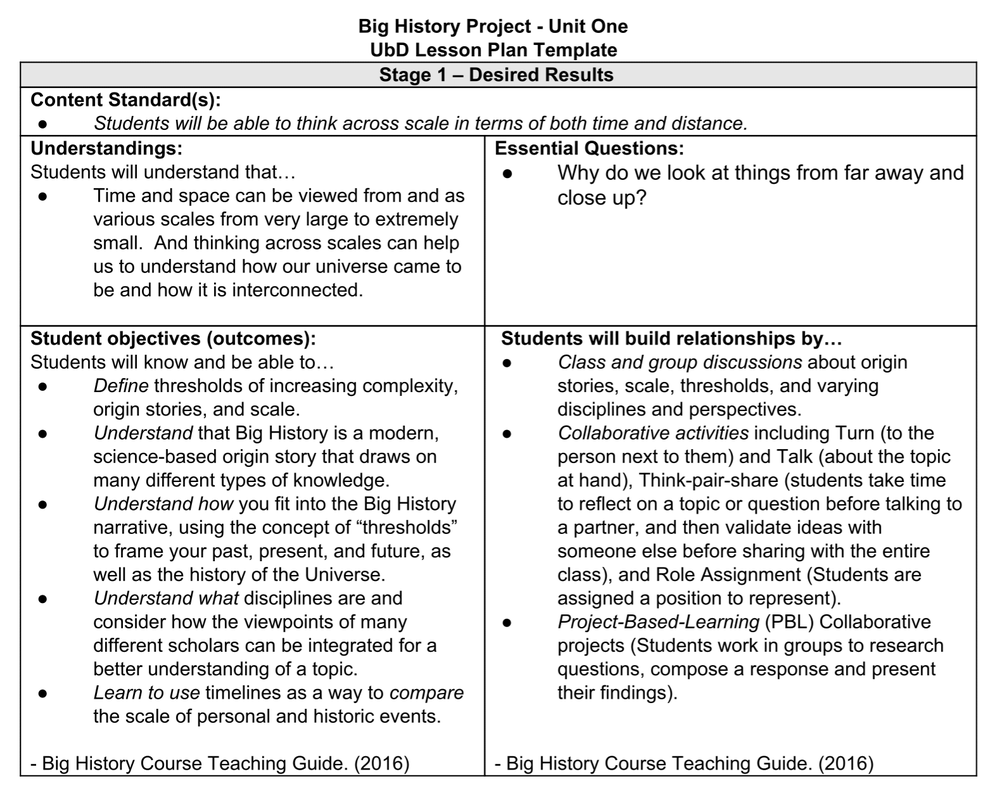
The goals for your course should not be stated in terms of what the instructor will cover, but rather in how the students will change, facilitated by the instructor’s guidance. Interested in more professional development opportunities for teachers? Explore education courses and certificates at the University of San Diego’s Division of Professional and Continuing Education. In no time at all, you might see improvements in the performance of your students, the quality of your classes, and the ratings of your online lessons. Check out this backward design lesson plan template from Vanderbilt University.

Assessments

Finally, the Zone of Proximal Development, a concept introduced by Russian psychologist Lev Vygotsky in the early 20th century, also supports the effectiveness of Backward Design. According to Vygotsky, this "zone" is the gap between what learners can do independently and what they can achieve with guidance. That's a quick tour of how Backward Design came to be and how it's changed the world of education and training. Like any journey, knowing where you've come from can help you understand where you're going. And in the world of Backward Design, it's always about reaching meaningful destinations.

The After, Where the Final Product is a Model and a Presentation

Instructional activities are the specific ways in which students interact with the course content. These activities run the gamut from watching educational videos, creating posters or presentations, completing a group project or playing learning-based games. Successful lesson plans often contain a mix of instructional strategies and activities, since asking students to adapt to different modes of learning is an effective way to keep them engaged. Grant Wiggins and Jay McTighe introduced backward design in their book Understanding by Design.

According to these critics, the structured, step-by-step nature of Backward Design could potentially stifle spontaneity and limit opportunities for exploratory learning. This could be particularly problematic in subjects like the arts, where creative exploration is key. However, proponents argue that the time investment upfront often leads to more effective and efficient teaching down the line.

backwards design

Determine appropriate assessments

Normally, or with traditional lesson planning, you focus on standards and learning objectives. Design your tests and assessments first, then figure out your lesson plans, then teach your students. The backward design approach to curriculum development first establishes educational goals and then builds assessment and instruction to serve those goals. The process of planning assignments and lessons by instructors to achieve pre-set instructional goals is called backwards mapping. In Understanding by Design, Wiggins and McTighe argue that backward design is focused primarily on student learning and understanding.

You might hear teachers asking, "What are the desired outcomes?" or "What evidence of learning will we accept?" These questions show that the influence of Backward Design is widespread and still growing. Wiggins and McTighe have created a six-part checklist built on the acronym WHERETO that consists of key elements that should be included in your instructional materials and learning activities. You might wonder what the true difference is between traditional and backward design lesson plans. The idea of Backward Design comes from Wiggins & McTighe and suggests that learning experiences should be planned with the final assessment in mind.

A 3-unit, online, self-paced course for K–12 educators interested in planning customized curriculum and/or lesson plans. There are lots of advantages to using backward design for your lesson plans. For starters, it ensures that your students will never be flabbergasted or taken by surprise by testing materials.

Project-Based Learning (PBL)

The old-school way of designing lessons—let's call it "Forward Design"—starts with the teaching materials and activities, sort of like making up the clues for your treasure hunt before you even know where the treasure is hidden. Authentic assessment is achieved when you have considered the perspective of your student and built your assessment after you have created well-thought-out learning outcomes. Assessment is “the process of using tools and techniques to collect information about student learning. In other words, assessment is the way teachers see their students’ learning” (Gareis & Grant, p. 2,  2015).

Valid and accepted measurements will vary from discipline to discipline and include both quantitative and qualitative measures. As the course designer, you decide what kind of measurements will work best for your subject. The important thing is that there is some way to identify whether or not learning outcomes are being met.

By defining what students should know or be able to do by the end of a lesson, educators can offer a more targeted and effective learning experience. For instance, it's difficult to set specific, narrow learning goals for interdisciplinary courses like “Environmental Science” that integrate biology, chemistry, and social science. The challenge lies in encapsulating the breadth of these disciplines into a set of focused objectives without diluting the complexity and richness of the subject matter.

Finally, think about how you can best prepare students to be successful on an assessment and achieving the outcomes. This planning involves identifying learning materials, activities for students to complete inside or outside of class, and what teaching strategies you will use. The key element in Backward Design is alignment; activities need to support the learning outcomes and prepare students for successful performance on the assessments, and the assessments must directly align with the outcomes.

Curriculum theorists like Jay McTighe have developed specific materials to assist educators in applying this method effectively. Curriculum theorist Jay McTighe, another co-creator of Backward Design, highlights how the approach can be adapted for different subjects, age groups, and educational settings. This adaptability makes it a popular choice for a wide range of educational contexts, from K-12 to higher education and corporate training. One of the most frequently cited challenges of Backward Design is the time commitment required for planning. Educators like Linda Darling-Hammond have noted that preparing comprehensive plans and aligning them with assessments and activities can take substantial time. Information that fits within this question is the lowest priority content information that will be mentioned in the lesson, unit, or course.

Unlike in backward lesson design, the assessment here is created after the lessons. Therefore, a teacher could risk omitting certain facets of the lessons from the final assessment, only acknowledging in hindsight that they probably could have saved valuable class time by skipping certain units or activities. When an assessment is created after the lessons have taken place, a teacher risks covering course content that does not add value to the overall lesson or factor into the final assessment. Once you know the standards your students are expected to meet by a certain grade level, make a list of all the foundational knowledge they need to reach that goal.

Sometimes, the assessments do not match the learning goals, and it becomes a frustrating experience for students and instructors. Use the list below to help brainstorm assessment methods for the learning goals of the course. Educational theory for designing courses by starting with learning outcomes first, then creating assessments, and course activities. In the second stage of backward design, instructors create the assessments students will complete in order to demonstrate evidence of learning and even progress towards achievement of the learning objectives.

The second question above allows the instructor to focus on more important knowledge, the knowledge and skills that are important to know and do. Finally, with the third question, instructors begin to detail the enduring understandings, overarching learning goals, and big ideas that students should retain. By answering the three questions presented at this stage, instructors will be able to determine the best content for the course. As previously stated, backward design is beneficial to instructors because it innately encourages intentionality during the design process.

How To Style Men's Thick, Wavy and Unruly Hair Types

Table Of Content Thick Curly Hair + Low Bald Fade Medium Length Fringe Wavy Hair: Wavy Comb Over Faux Curly Mohawk and Skin Fade Messy Waves...